
Graveyard Keeper 2 Beginner Guide — Your First Days in The Town
A launch-week starter route for Graveyard Keeper 2: what to do first, which day unlocks what, how faith and insanity work, and the GK1 habits to unlearn.
FAQ
What should I do first in Graveyard Keeper 2?
When can I create zombies in Graveyard Keeper 2?
How do I lower insanity in Graveyard Keeper 2?
What should I spend faith on first?
Do bodies decay in Graveyard Keeper 2?
What should you do first in Graveyard Keeper 2?
Follow the quests, cook food, and hoard everything. Your house, church, and graveyard are yours from the start, but every other system — alchemy, zombies, town shops, battles — unlocks through quest lines. Players who keep those chains moving, keep the morgue processing, and keep meals cooking reach the mid-game weeks ahead of everyone else.
Graveyard Keeper 2 launched on September 23, 2026, and the developer’s official announcement put it at over 400,000 copies sold across all platforms by September 24. Steam reviews sit at Mostly Positive overall as of September 27 — Very Positive among English-language reviewers, though Simplified Chinese reviews currently lean Mixed — and the game is already on Update 1.006 (released September 25), which among other things fixed kitchen zombies and made zombies earn red tech points from fights. That pace of patching means launch-week advice ages fast — everything below reflects community findings as of Update 1.006.
A practical opening checklist, in rough order:
- Work the quest chains, especially the plague doctor line. Alchemy and the distillation machine are tied to that branch of the tech tree, and several early-game bottlenecks (like the polishing paste and distillation cube) clear themselves once the line progresses.
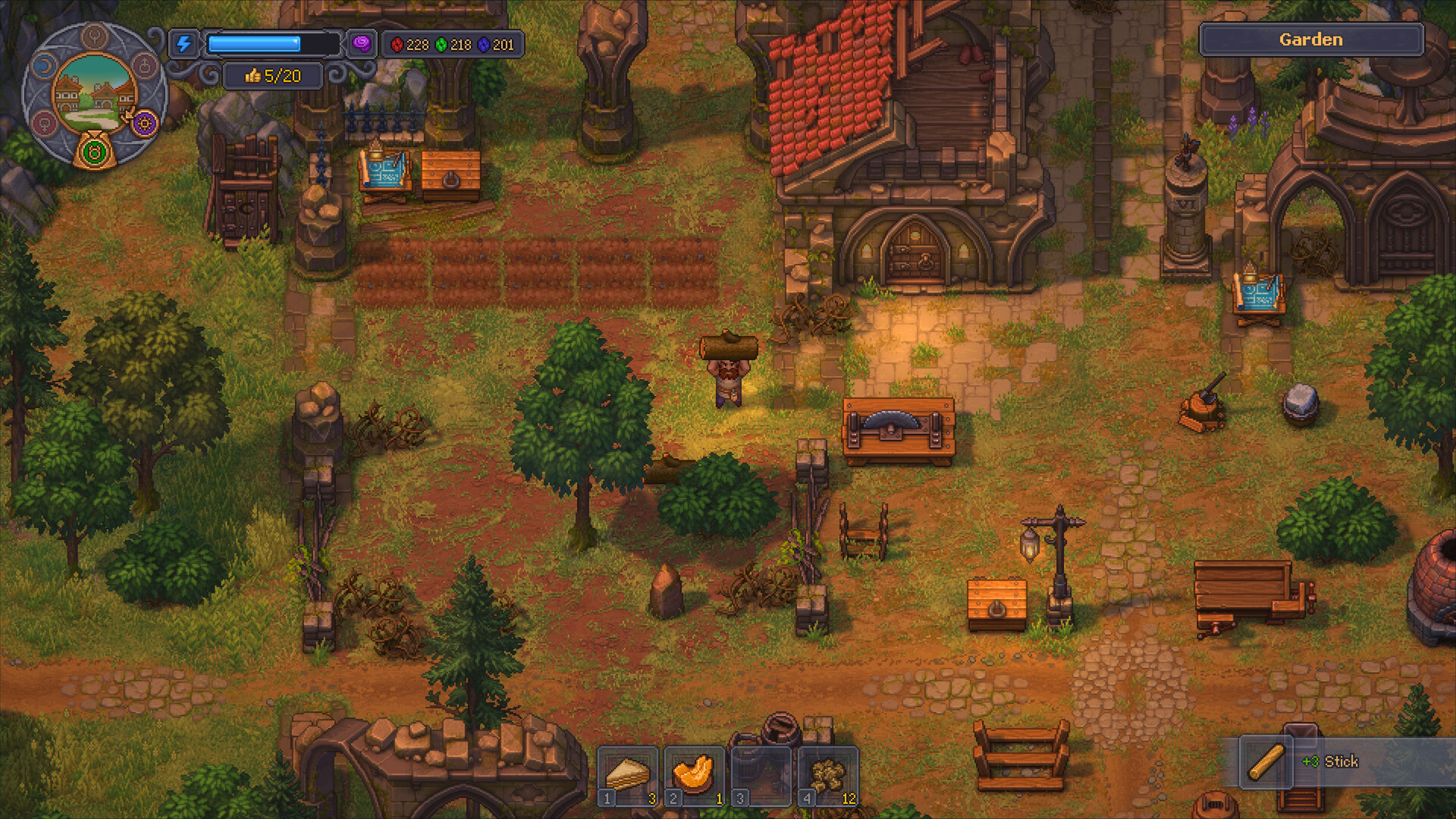
- Plant the garden immediately — wheat and vegetables feed the cooking habit that keeps energy and insanity under control all game.
- Cook before you are hungry. Food restores energy and lowers insanity; running out of both mid-task is the most common self-inflicted slowdown.
- Hoard every resource. Blood, fat, skulls, scraps — everything feeds crafting later, and storage chests are cheap. Our items overview covers what stockpiles are worth keeping.
- Keep corpses moving. Bury, burn, or prepare each body; the morgue only holds a couple of unburied corpses before the deliveries back up.
- Do every level-1 inspiration task and invest in mastery as you craft — both gate your perk progression.
- Prepare for battles before you need them. Bank barricade materials early, because quests that unlock new areas will demand them.

10 Easy TIPS For A GOOD START In Graveyard Keeper 2 — Ic0n Gaming
What do the days of the week mean?
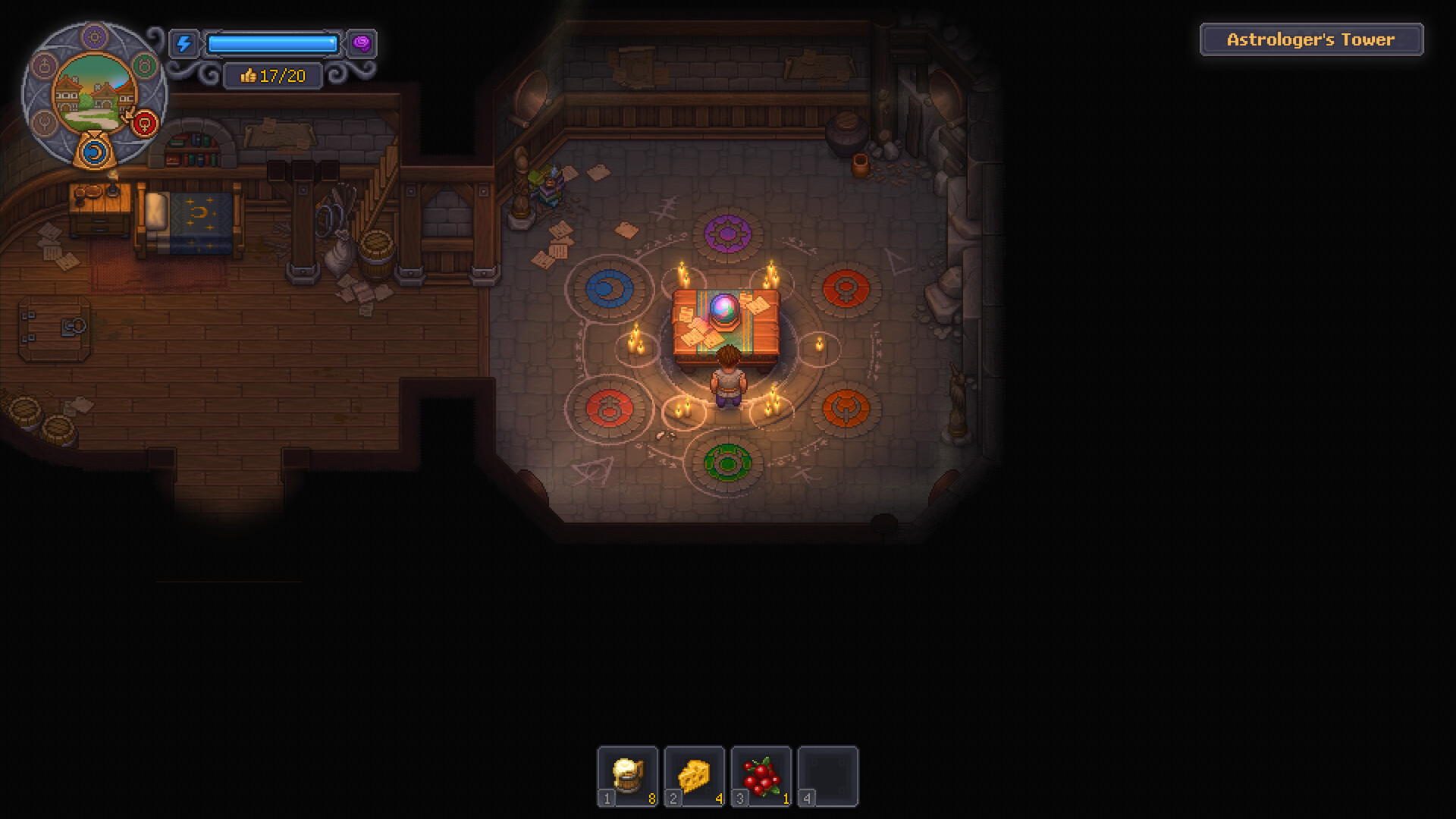
Each weekday gates exactly one town activity, and the game will not warn you twice — missing a day means waiting a full week. Players report the cycle works like this: Sloth Day for battles, Envy Day for zombies, Pride Day for trade orders, and Wrath Day for your sermon, with the in-game week wheel showing each day’s purpose once unlocked.
| Day | Color/icon | Reported focus |
|---|---|---|
| Sloth | Blue / moon | Town battles (sewers stay open the rest of the week) |
| Lust | Scarlet / Venus | “Club” day — give Linda green scrolls to recruit townsfolk, turn in looter orders |
| Envy | Green | Zombie resurrection — the only day you can create zombies |
| Pride | Purple / sun | Commerce — town warehouse orders |
| Wrath | Crimson | Sermon day at the church (the nun’s day) |
| Gluttony | Yellow | PR machine day — raise your zombie limit at the astrologer |
How do faith, inspiration, and mastery work?
Faith is the scarce meta-currency: it unlocks fast-travel waypoints, buys inspiration, and advances certain quests, so spending it carelessly early on is the most common launch-week regret. Inspiration opens your perk trees through tasks, and mastery is your crafting skill level — it rises as you make things and decides whether delicate work like organ extraction succeeds.
| Resource | What it gates | How it grows |
|---|---|---|
| Faith | Fast-travel waypoints (reported costs: 1, 6, even 8), inspiration unlocks, quest advances | Earned slowly; sermons and quests (exact rates not yet documented) |
| Inspiration | Perk trees, one task at a time | Completing inspiration tasks — zombie crafting counts too |
| Mastery | Crafting success, organ/autopsy work | Doing and making things; a golden-quality veggie salad reportedly gives up to +3 |
The community consensus on spending: unlock the waypoints you pass every day first, hoard the rest, and ignore the expensive ones until fast travel actually pays for itself. Inspiration number also goes up while your zombies craft for you, so there is no need to babysit a workbench for it. For mastery, do not skip the food buffs — a golden-quality veggie salad adds up to 3 mastery points toward an autopsy, which is often the difference between extracting an organ and failing.
How does energy and insanity work?
Insanity is the new throttle on your workday. Working while the tired debuff is active raises insanity, and higher insanity lowers your maximum energy, which makes you tire faster — a spiral that ends with your Keeper useless by noon. Morbid work like organ extraction and grave digging raises it further, so every corpse-heavy day needs a recovery plan.
| Action | Reported effect on insanity |
|---|---|
| Working while tired | Raises it |
| “Shady” work — organ extraction, grave digging | Raises it further |
| Sleeping while tired | Removes a large chunk (not all of it) |
| Beer at the tavern | Lowers it, cheap and available from the start |
| Berry pies, croissants, cooked foods | Lower it by a small amount |
The fix is boring and effective: food. Players who keep pies, vegetable soup, or mushroom skewers cooking report that insanity simply stops mattering, because they are never working while tired in the first place. Beer at the tavern covers the early days before your kitchen is up, and sleeping while tired clears a large chunk of the bar — but note the trap: sleeping before you are tired removes nothing, so the mechanic deliberately rewards cooking meals over napping.

Top 7 Tips the Game Doesn't Explain in Graveyard Keeper 2 — Larry Puss
How do you unlock zombies — and what should they do first?
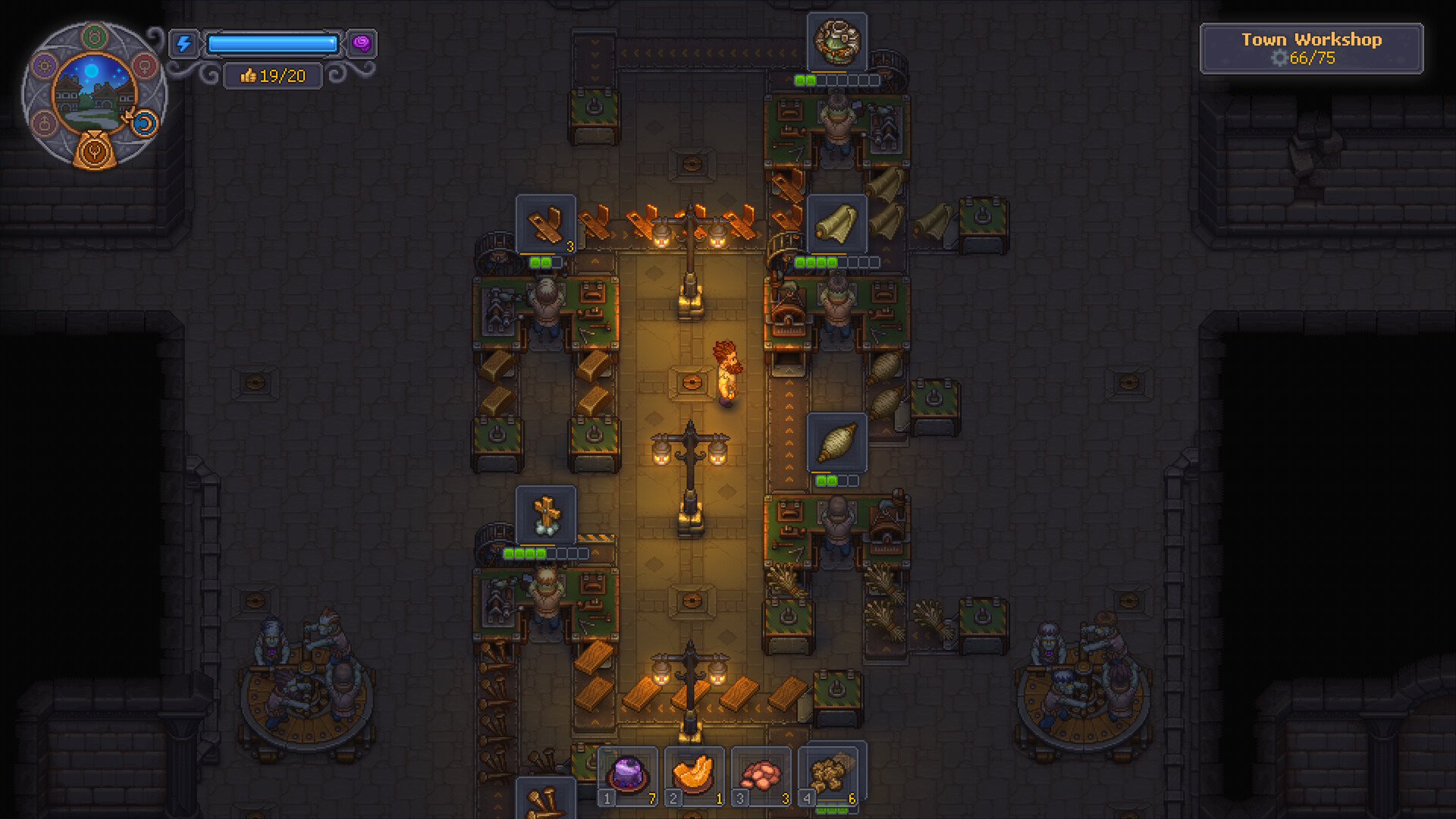
Clear part of the morgue in the zombie quest line, and the game hands you your first necklaces and reanimation liquid — but you can only resurrect a corpse on Envy Day, the green day. Prepare bodies in advance, then put your first zombies on furnace and kitchen duty, where they quietly farm the red knowledge that pays for their combat perks.
A few rules of thumb from launch week, several of which contradict the first game:
- Red skulls matter for crafting jobs, not for hauling. Low-quality zombies still make fine carriers, so do not bench them.
- Furnace and kitchen duty earns red knowledge; the Watchtower distillation machine earns purple, and farming earns green. Match the job to the knowledge you need.
- Zombies can be upgraded later. Swap collars, transplant organs, and inject embalming fluids at the appropriate tables — an early 5-star zombie is not locked to its stats forever.
- Watch the zombie limit. Exceeding it applies a debuff, and Update 1.005 added an explicit zombie-limit hint at the Resurrection Table (the official patch notes list it for PlayStation).
- Never convert a trained zombie into a porter. Working zombies bank experience that porters never earn; put fresh corpses on hauling duty instead.
Once your workforce is running, the whole automation side of the game opens up — our zombies guide goes deeper on jobs, squads, and upkeep.
How does combat work in your first weeks?
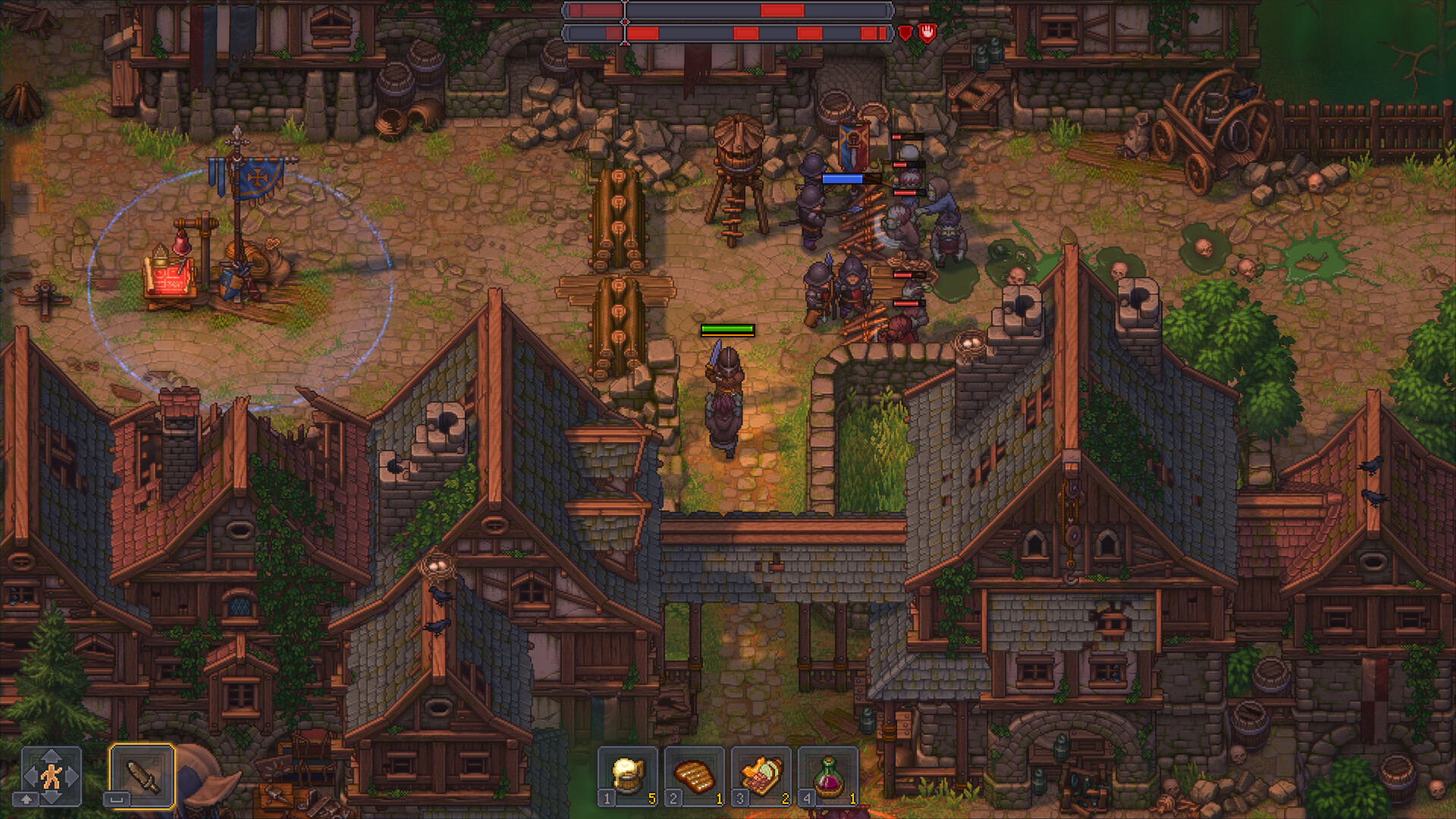
Battles liberate the Town’s districts, and they are only available on one weekday — players report Sloth Day — so preparation is the whole game: barricade materials banked, squads equipped, and a flag-capture plan ready. Zombies cannot permanently die, and since Update 1.006 they even earn red tech points from fights, so commit them freely.
The developer’s official combat devlog confirms the skeleton of it: you get the house, church, and graveyard for free, and the Town itself must be taken back in battle, street by street, with material-built barricades and towers holding the horde while your zombie squads — or you, leading them — do the killing. Over a full playthrough you will put down a little over 4,000 zombies, per the same devlog. Battles happen on the streets themselves, and capturing control flags reduces enemy spawn points.
Before your first assault, three loadout facts will save you a stack of wasted iron:
- Zombies use pikes and bows — not swords. Players who crafted five swords on day one discovered the hand slot simply would not take them.
- Armor is required before a zombie can be slotted into a squad at the barracks manacles.
- Perks come from work, not war. A zombie’s combat perks are bought with red knowledge earned at furnaces and workbenches, so train fighters the same way you train crafters.
Which Graveyard Keeper 1 habits should you unlearn?
The big three: bodies barely decay anymore, alchemy is much slower, and dismantled stations refund only about half of their materials. Veterans lose the most time to these three instincts — rushing corpses that do not need rushing, sinking early hours into potions instead of meals, and rearranging workshops like furniture is free.
More GK1 instincts that changed in the sequel
- Corpse freshness panic is over. Bodies stored properly keep for weeks (one player reports more than three in-game weeks before decay), so you can save high-value corpses for the zombies or surgeries you actually want.
- The one exception: the morgue floor. A body left on the floor rather than on a pallet or table eventually decays into a small ash pile with a cross — which, if left alone, eventually yields a few experience gems. Do not plan around this.
- Alchemy is a late-game economy, not an early one. The community’s launch-week advice is near-unanimous: cook food first, brew second.
- Recipes cannot be pinned yet. Keep the in-game notebook open, or use Steam’s built-in notes (Shift+Tab) — a habit one highly-upvoted commenter swears by for tracking recipes, grave status, and organ hunts.
- Dismantling refunds roughly half. In the first game you got everything back; here, a station you dismantle is a station you paid for twice.

Graveyard Keeper 2 — 10 Things They DIDN'T Tell You (Game Launch Central)
What beginner mistakes should you avoid?
The launch-week regrets cluster around resources spent on the wrong thing: faith dumped into the first quest advance, iron forged into swords zombies cannot wield, trained zombies demoted to porters, and stockpiles sold off the week a crafting recipe needed them. All of it is avoidable with the habits above — check this list before your first Envy Day and again before your first assault.

12 Things To AVOID in Graveyard Keeper 2 — ezlilyy
- Do not spend faith on the first advancement quest. One player spent 3 of 6 faith on it immediately and spent the next week walking everywhere.
- Do not craft swords for your squads. Pikes and bows are the zombie loadouts; swords are for you.
- Do not demote working zombies to porters. Their banked experience is worth more than the hauling.
- Do not leave corpses on the morgue floor. Use pallets and tables, or you will come back to ash.
- Do not sell your stockpile. Blood, fat, and skulls all feed recipes later; sell surplus, not savings.
When the town is humming and your squads are drilling, the finish line is the achievements list — and by then, the Keeper who hoarded, cooked, and never missed an Envy Day will find most of them already half-done.
Related videos

Related Articles
achievements
Graveyard Keeper 2 Achievements Guide — Full Checklist & Missables
All 38 Graveyard Keeper 2 achievements with unlock conditions, the five hidden ones, global unlock rates, and an honest look at what is actually missable.
guides
Graveyard Keeper 2 Corpse & Autopsy Guide — Best Bodies & Red Skulls
How the autopsy system works in Graveyard Keeper 2: organ swap rules, the Oops Surgeon inspiration trap, embalming fluids, grave rating, and red-skull zombies.
guides
Graveyard Keeper 2 Fast Travel Guide — How to Unlock All Waypoints
How fast travel works in Graveyard Keeper 2: unlocking the milestone pillars with faith, every confirmed waypoint location, activation costs, and carrying tips.
Was this helpful?
Thanks for the feedback!